The B2B Paid Search Playbook: How to Stop Burning Money and Start Building Pipeline
Here’s the thing about B2B paid search in 2026—it’s a bit like being handed the keys to a Ferrari while someone whispers, “By the way, the brakes work differently than you’d expect.” The potential is extraordinary. The opportunity to crash and burn? Also extraordinary.
I’ve watched too many marketing leaders treat Google Ads like a slot machine, feeding it budget and hoping for qualified leads to tumble out. Spoiler alert: that’s not a strategy. That’s expensive optimism.
Let me be clear: paid search absolutely works for B2B. But the playbook that crushed it in 2019? That’s collecting dust for a reason. The game has changed, and if you’re still running campaigns like it’s the pre-privacy, pre-AI era, you’re essentially lighting your budget on fire while your CFO watches.
The Fundamental Truth About B2B Paid Search
Before we dive into tactics, let’s address the elephant in the boardroom. As Unbounce’s comprehensive guide on B2B PPC points out, the biggest difference between B2B and B2C advertising is the value of a sale. While the average e-commerce transaction hovers around $85 to $120, B2B lifetime values often range from $20,000 to $200,000.
This changes everything.
With a $50,000 profit margin, one closed deal covers months of campaign optimization. With a $100 margin? You’re sweating every click. This math should inform every decision you make—from keyword selection to bidding strategy to how aggressively you test.
The problem is that most B2B marketers optimize for the wrong things. They celebrate lead volume while ignoring lead quality. They chase impressions while their sales team drowns in unqualified prospects. Data tells you the what, but brand tells you the why—and in B2B paid search, the “why” is pipeline, not pageviews.
Stop Targeting Everyone, Start Targeting Someone
Here’s where most B2B campaigns go sideways: they cast too wide a net.
John Horn of Stub Group explains that many B2B businesses face a fundamental challenge—perhaps only 5% of people searching for their keywords are actually B2B buyers, while 95% are consumers who will never convert. You’re essentially fishing in a pond where most of the fish aren’t even the species you want.
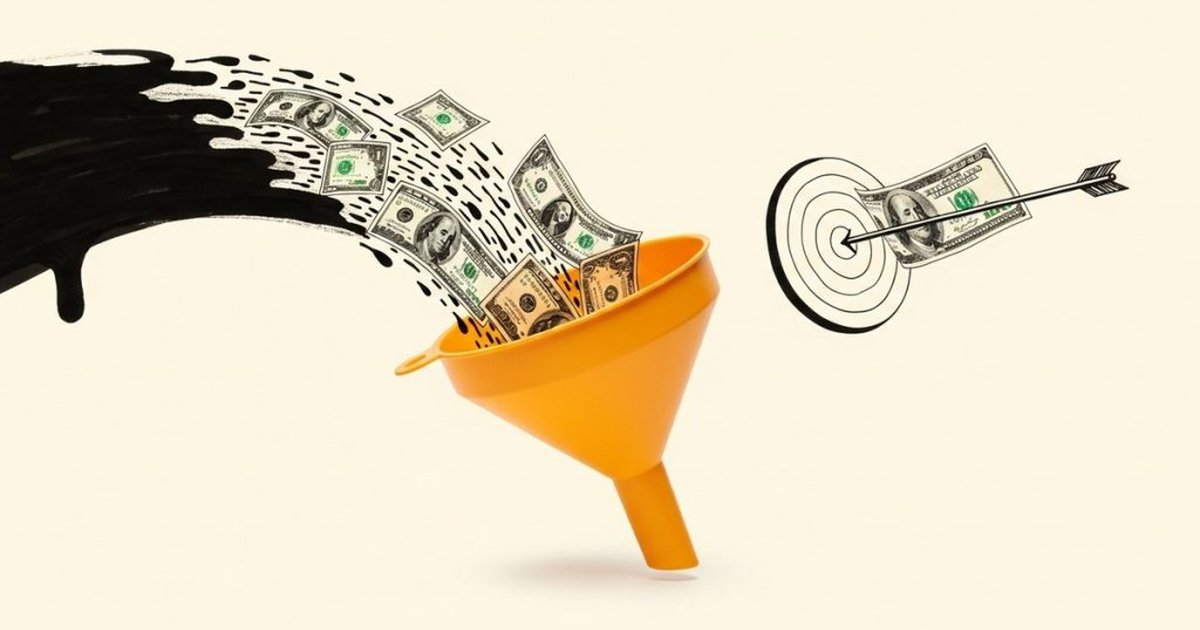
The solution? Get surgical with your targeting:
Use intent modifiers. Terms like “bulk,” “wholesale,” “enterprise,” or “for teams” signal B2B intent. Someone searching “project management software” could be anyone. Someone searching “enterprise project management software implementation” is probably not planning their kid’s birthday party.
Leverage industry-specific terminology. Every vertical has its jargon—acronyms, license names, compliance terms that consumers simply don’t know. Target these, and you’re automatically filtering for professionals.
Don’t advertise your weaknesses. As Ben Somerville recently noted on LinkedIn, if your sales team keeps losing deals on certain features, stop bidding on keywords tied to them. You’re paying to attract prospects you can’t close.
The ABM Integration Imperative
Account-based marketing isn’t just a buzzword anymore—it’s the backbone of sophisticated B2B paid search.
Search Engine Land’s analysis of B2B lead gen strategies emphasizes that the shift to first-party data demands better audience lists for targeting across Display, Demand Gen, and Video campaigns. Without strong ABM-driven audiences, you’re essentially hoping Google’s algorithms figure out who your buyers are. Sometimes they do. Often they don’t.
Tools like 6sense, ZoomInfo, and HubSpot can create contact lists that integrate directly with Google and Microsoft Ads. This isn’t optional anymore—it’s table stakes. The days of relying purely on keyword intent are behind us.

The faster the machine, the more expensive the mistakes.
Landing Pages: Where Campaigns Go to Die (Or Thrive)
I’ve audited hundreds of B2B paid search campaigns, and here’s a pattern I see constantly: solid keyword strategy, decent ad copy, and landing pages that look like they were designed by a committee that couldn’t agree on anything.
Americaneagle’s research on paid search strategies highlights that landing page optimization begins with message match—ensuring the ad’s promise aligns with the landing page content. Sounds obvious, right? Yet I regularly see ads promising “streamlined workflow automation” that land on generic homepage experiences with seventeen different CTAs.
Your landing page should do three things:
- Immediately validate the click. The visitor should know within two seconds they’re in the right place.
- Address the specific pain point. Not your entire value proposition—the specific problem that keyword represents.
- Offer a clear, singular next step. Not “learn more” and “request demo” and “download whitepaper” and “watch video.” One path forward.
The Metrics That Actually Matter
Here’s where I get a little preachy, but someone needs to say it: stop celebrating vanity metrics.
Marcel Digital’s guide on optimizing for high-value B2B leads makes a crucial point about offline conversion tracking. Implementing tracking of offline conversions—MQLs, SQLs, closed deals—back to your paid search campaigns provides a complete view of the customer journey.
If you can’t trace a closed deal back to the keyword that started the conversation, you’re optimizing blind. Full-funnel visibility from ad click to revenue in your CRM isn’t a nice-to-have. It’s the difference between strategy and guesswork.
The metrics hierarchy should look like this:
- Revenue attributed to paid search (the only metric your CEO actually cares about)
- Cost per qualified opportunity (not cost per lead—cost per qualified opportunity)
- Conversion rate by keyword theme (which searches actually produce pipeline?)
- Click-through rate and Quality Score (important, but downstream indicators)
The Position Paradox
One more thing that might surprise you: being #1 isn’t always the goal.
Horn’s podcast discussion reveals that sometimes it’s better to not aim for the top spot on Google. Position one commands premium CPCs, but positions two through four often deliver comparable conversion rates at significantly lower costs.
Test this. You might find that dropping from position one to position three cuts your CPA by 40% while only reducing volume by 15%. That’s a trade most CFOs would take all day.
The Bottom Line
Paid search isn’t dead for B2B. But running it like it’s 2019? That’s a different story entirely.
The winners in 2026 are the marketers who treat paid search as a precision instrument, not a blunt object. They’re integrating ABM data, tracking full-funnel attribution, optimizing for pipeline instead of pageviews, and making every dollar justify its existence.
Marketing is like dating—you don’t propose on the first ad impression. But with the right strategy, paid search can be the start of a beautiful (and profitable) relationship.
Now go audit your campaigns. Your budget will thank you.
More from PaidLab on DemGen Daily
More from PaidLab on DemGen Daily